In partnership with

Inside Wit Pimkanchanapong’s maze of possibility at Art Basel Hong Kong
Presented by Chubb Life, the Bangkok-based artist’s immersive installation unfolds as a shifting maze that invites visitors to consider life’s unpredictable paths
In partnership with
Inside Wit Pimkanchanapong’s maze of possibility at Art Basel Hong Kong
Presented by Chubb Life, the Bangkok-based artist’s immersive installation unfolds as a shifting maze that invites visitors to consider life’s unpredictable paths
In partnership with
Inside Wit Pimkanchanapong’s maze of possibility at Art Basel Hong Kong
Presented by Chubb Life, the Bangkok-based artist’s immersive installation unfolds as a shifting maze that invites visitors to consider life’s unpredictable paths
In partnership with
Inside Wit Pimkanchanapong’s maze of possibility at Art Basel Hong Kong
Presented by Chubb Life, the Bangkok-based artist’s immersive installation unfolds as a shifting maze that invites visitors to consider life’s unpredictable paths
In partnership with
Inside Wit Pimkanchanapong’s maze of possibility at Art Basel Hong Kong
Presented by Chubb Life, the Bangkok-based artist’s immersive installation unfolds as a shifting maze that invites visitors to consider life’s unpredictable paths
By Elliat Albrecht
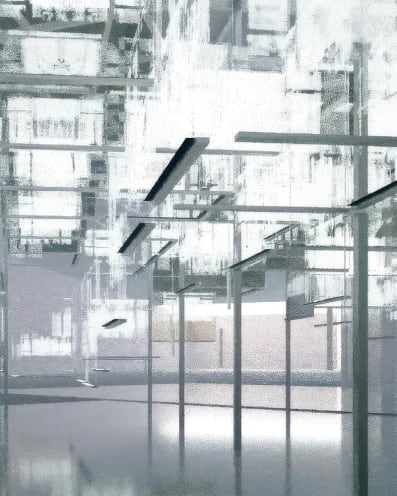
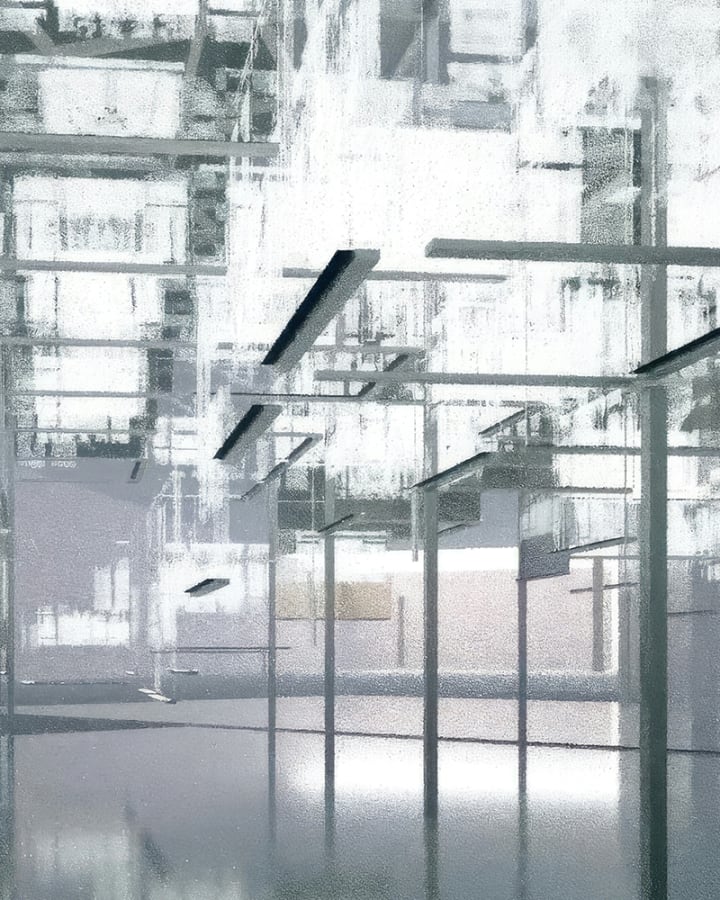
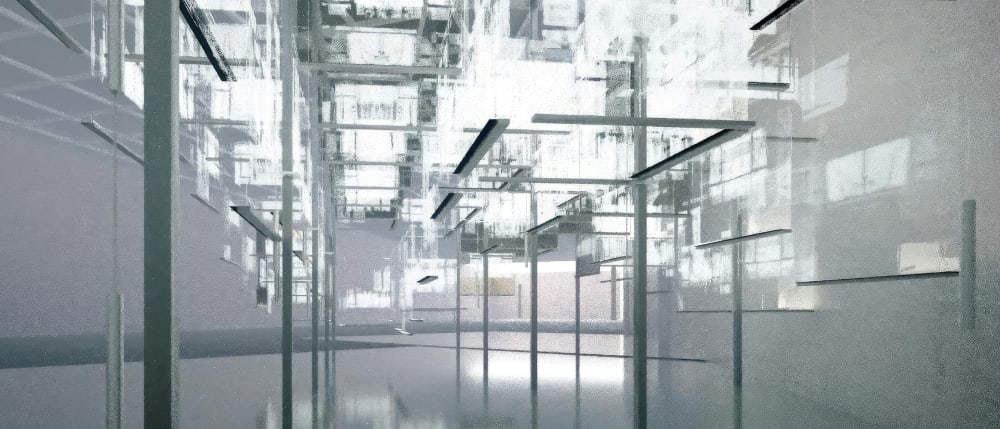
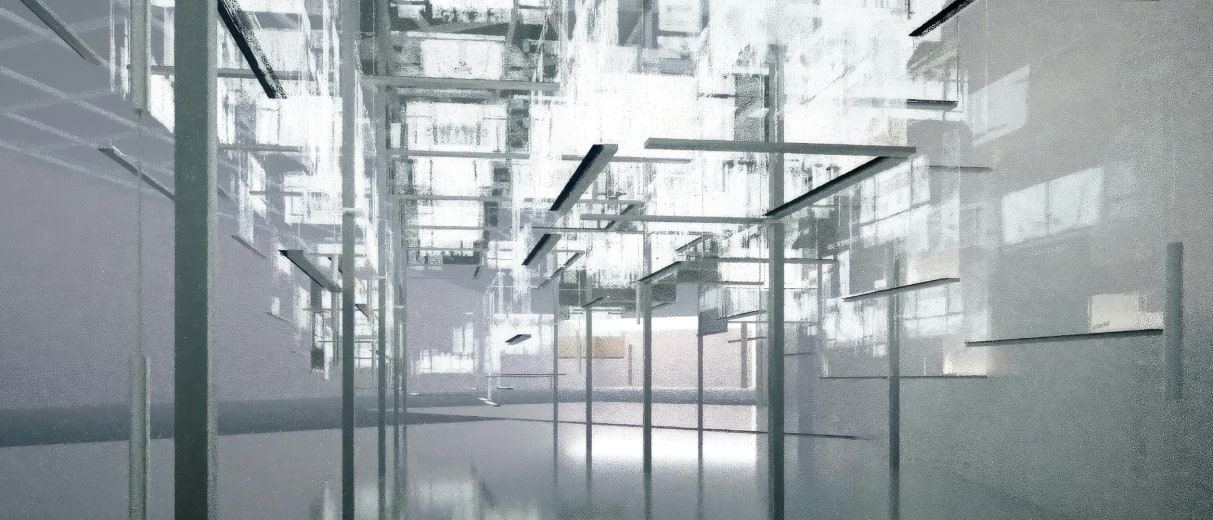
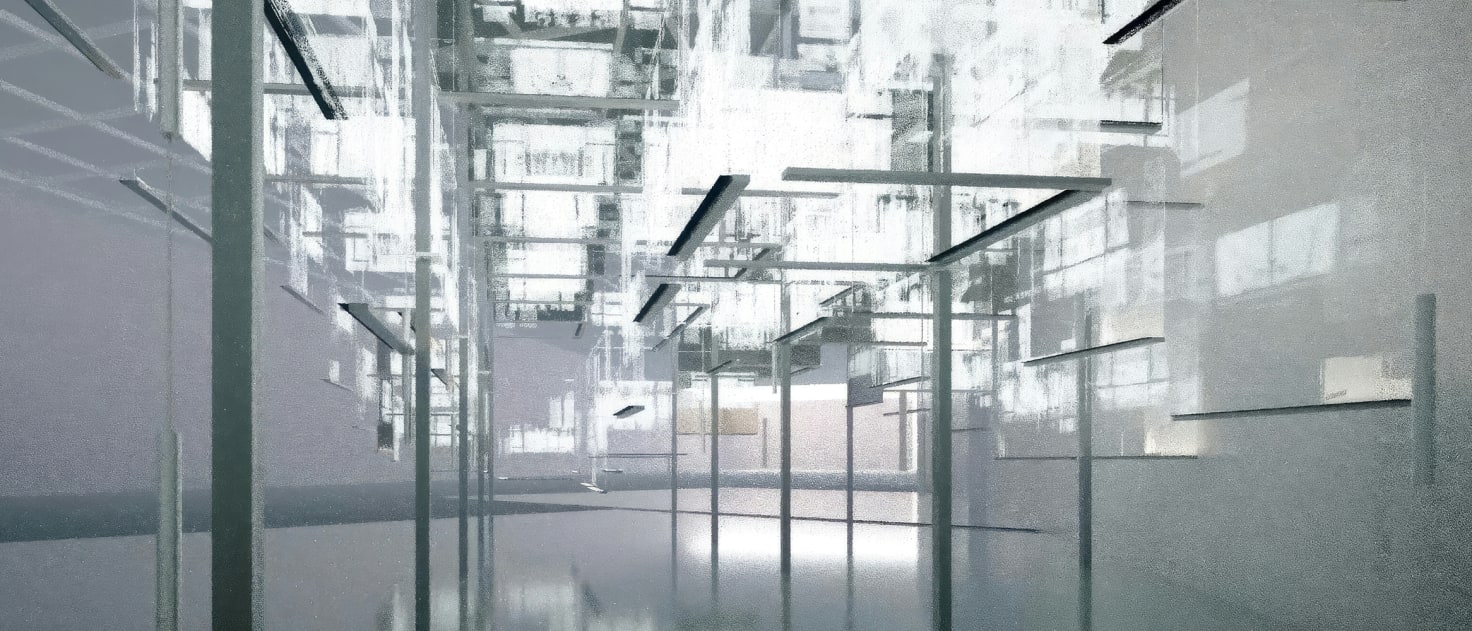
Life rarely follows a straight path. We all move through chapters of decisions, detours, and renewal as we find our way forward. At Art Basel Hong Kong, Chubb Life Hong Kong will present Life Chapters, an immersive, site-specific installation by the Bangkok-based artist Wit Pimkanchanapong that explores those life-defining moments. As fairgoers navigate the shifting, maze-like environment within Chubb Life’s lounge, they’ll encounter subtle cues – objects, sounds, phrases – that serve as portals for reflection, while shifting walls, semi-transparent surfaces, and changing sightlines will heighten visitors’ awareness of one another. Every moment can redefine a life.
Trained in architecture and with a background in stage and lighting design, Pimkanchanapong has developed a practice that explores how people experience space. His multimedia work, which spans installation, design, and experimental architecture, has been featured in biennials and triennials around the world. Art Basel spoke with him about how Life Chapters builds on his long-standing interest in making spaces that evolve with enablement and participation.
You trained in architecture before moving fully into art. What initially drew you to architecture?
I went to the school of architecture because I was interested in physics and drawing. Architecture is a creative discipline that opens up a way of thinking about space, volume, dimension, and what exists behind those ideas.
But at the same time, working as an architect meant extremely long, complex projects involving many people. When I was younger, I wanted to move quickly and experiment freely. But as I’ve become a more mature artist, I’ve been more interested in working systematically.
What aspects of the discipline have remained important to your artistic practice?
Artists with an architectural background tend to be very good at reading context. When we talk about making site-specific work – art that responds to its social, historical, and cultural contexts – that way of thinking comes directly from architecture. That approach has definitely stayed with me.
You’ve described your approach as a kind of ‘soft architecture.’ What does that term mean to you and how does it differ from more traditional architectural thinking?
In conventional architecture, a building is designed for a specific purpose – a hospital has a clear function, for example. But in tropical regions like Southeast Asia, buildings are often less permanent and made from naturally abundant materials like wood. When structures are temporary, their functions can be more fluid. A building might be an office during the day, a market at midday, and a nightclub at night.
Soft architecture embraces flexibility over permanence by using adaptable materials and modular systems that might shift with human presence. Because of that flexibility, it encourages exploration and immersion and can actually influence the way people behave.
When I first encountered the term ‘soft architecture’ in my youth, I saw it as an escape from traditional architectural practices. In my view, architecture becomes meaningful through experience – you can’t just create a beautiful building, someone has to move through it and feel something. The same idea applies to art.
For your project with Chubb Life at Art Basel Hong Kong, you’ve created an ever-changing environment structured around different life chapters. What does the work represent for you?
Life Chapters takes the form of a maze, a concept I’ve been working with since 2021. I was initially inspired by the Buddhist maze ceremony I encountered near the northern border of Thailand. Mazes allow me to blend art, architecture, design, and technology to tell stories and reimagine situations from the real world. A maze is also a very literal representation of life, which isn’t linear or determined. There are many entry points and many hidden possibilities. You walk forward, encounter a dead end, things shift, and you find a new path.
This idea connects closely with my own experiences – I trained as an architect, then became an artist. Everyone can experience several ‘rebirths’ within a single lifetime. You might not know what will happen next, but you know that change is always possible if you feel safe to move.
The work encourages moments of disorientation. How do people tend to behave inside your mazes?
Disorientation changes how people relate to one another. When you’re lost, you begin to reference others. You follow them, lose them, reconnect. Sometimes you need their support.
What interests me is that the experience quickly becomes less about the structure and more about the people inside it – you realize it’s not about you alone. Even when separated by walls, people find ways to communicate with each other.
Art Basel Hong Kong takes place from March 27 to 29, 2026. Get your tickets here.
From rare collections to irreplaceable lives, Chubb protects what endures – art, wellbeing, and the legacies people build over time. Since 1792, Chubb has safeguarded what matters most, from masterpieces and major museums to homes, memories, and the lives at their center. A global leader in insurance, Chubb operates accross 54 countries and territories, providing life, accident, health, and protection solutions to a wide range of clients. Known for financial strength and disciplined underwriting, Chubb delivers extensive products and services through a broad global platform. Its parent company, Chubb Limited (NYSE: CB), is a component of the S&P 500.
Elliat Albrecht is a writer and editor based in Canada.
Caption for header image: Rendering of the Chubb Life Lounge at Art Basel Hong Kong.
Published on March 19, 2026.
Recommended:
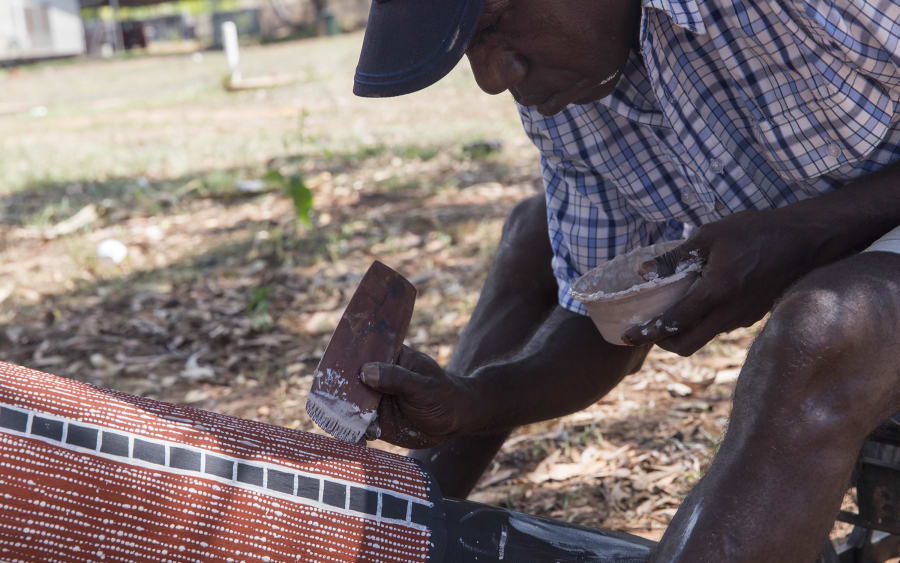
Artists map colonial histories onto the present in Hong Kong’s new sector Echoes
Hailing from Australia to Zimbabwe, they trace Indigenous inheritance, contested cartographies, and the long shadow of trade and extraction
Read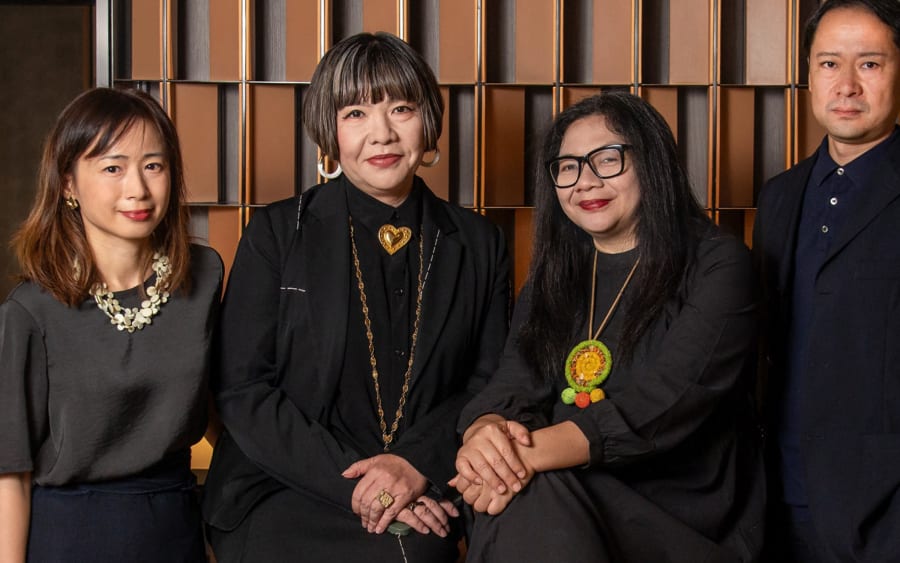
Big art, bigger ideas: Encounters recharged
An Art Basel Hong Kong sector gets a bold reset, as a pan-Asian curatorial team collaborates in bringing large-scale visions to the fair floor
Read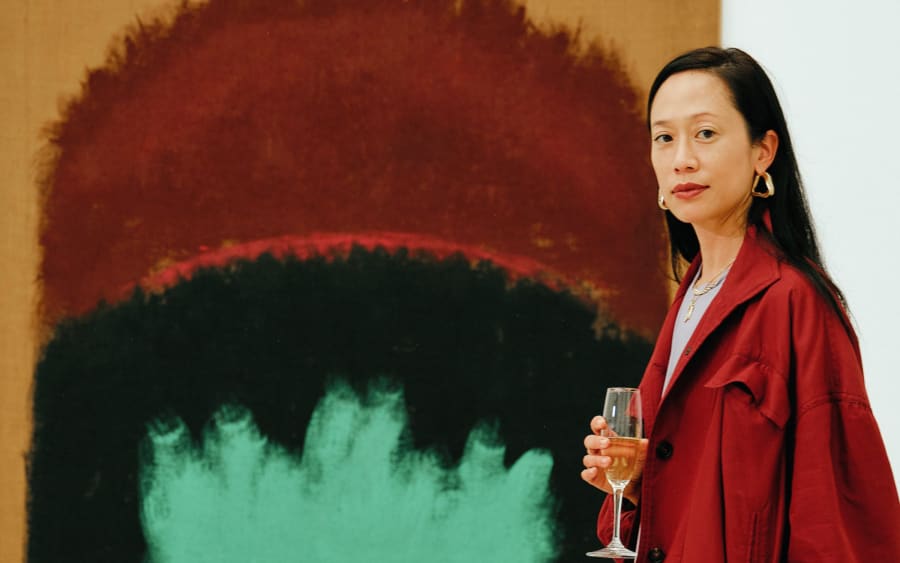
Getting ready for Art Basel Hong Kong with five stylish creatives
Local fashionistas share their game plan - and top tips to be on point on the show floor
Read